What happens when you close 100.000 savings accounts?
Designing transitions that keep customers on board
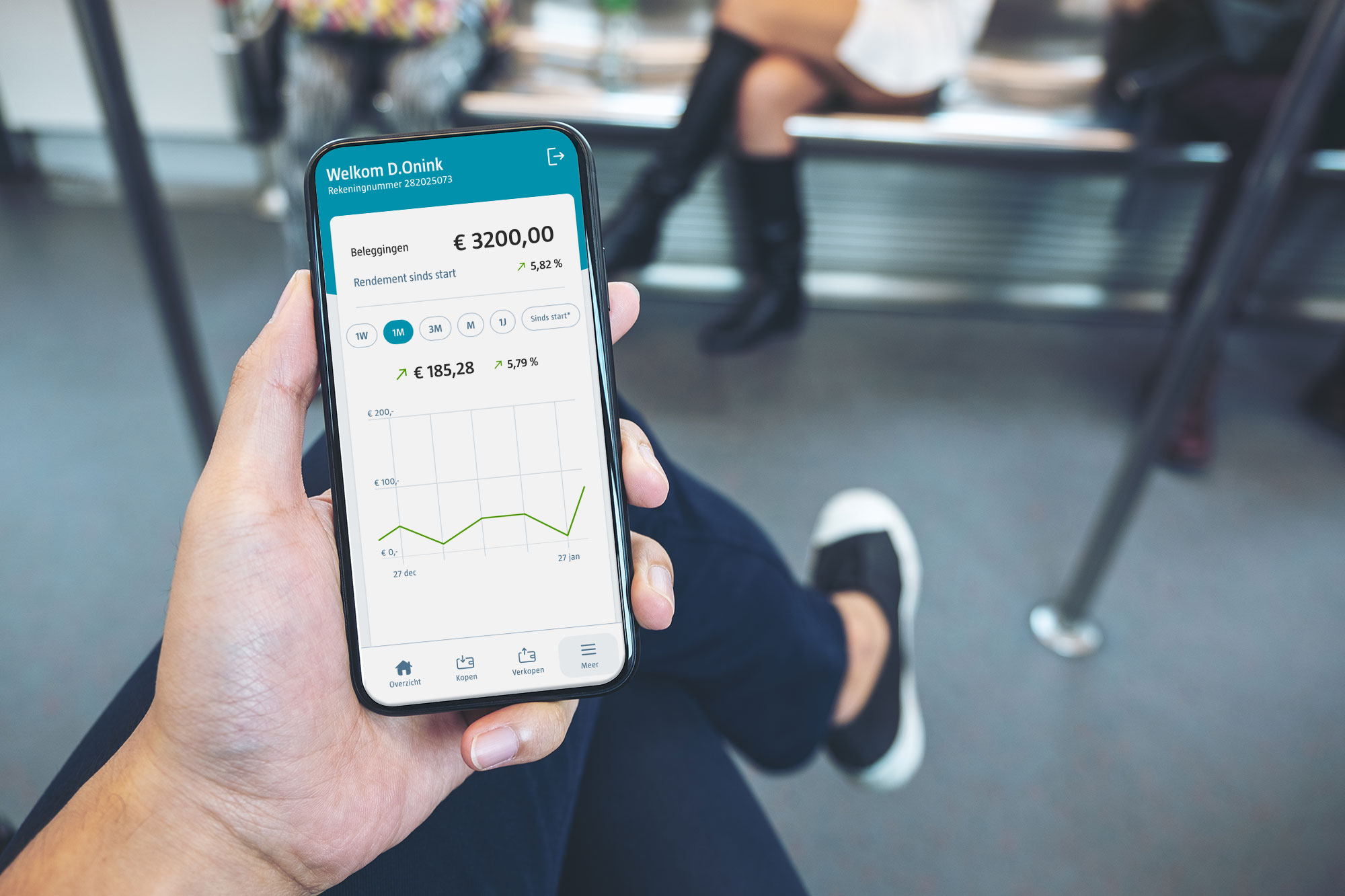
Robeco, a wealth management platform serving 140.000 customers with €8B in assets, decided to discontinue its savings account feature. This wasn't just removing a feature, it affected how 100.000+ customers managed their money, paid fees, and reinvested dividends. The challenge: transition customers smoothly without losing their trust or their capital.
The change presented challenges for customers and business alike.
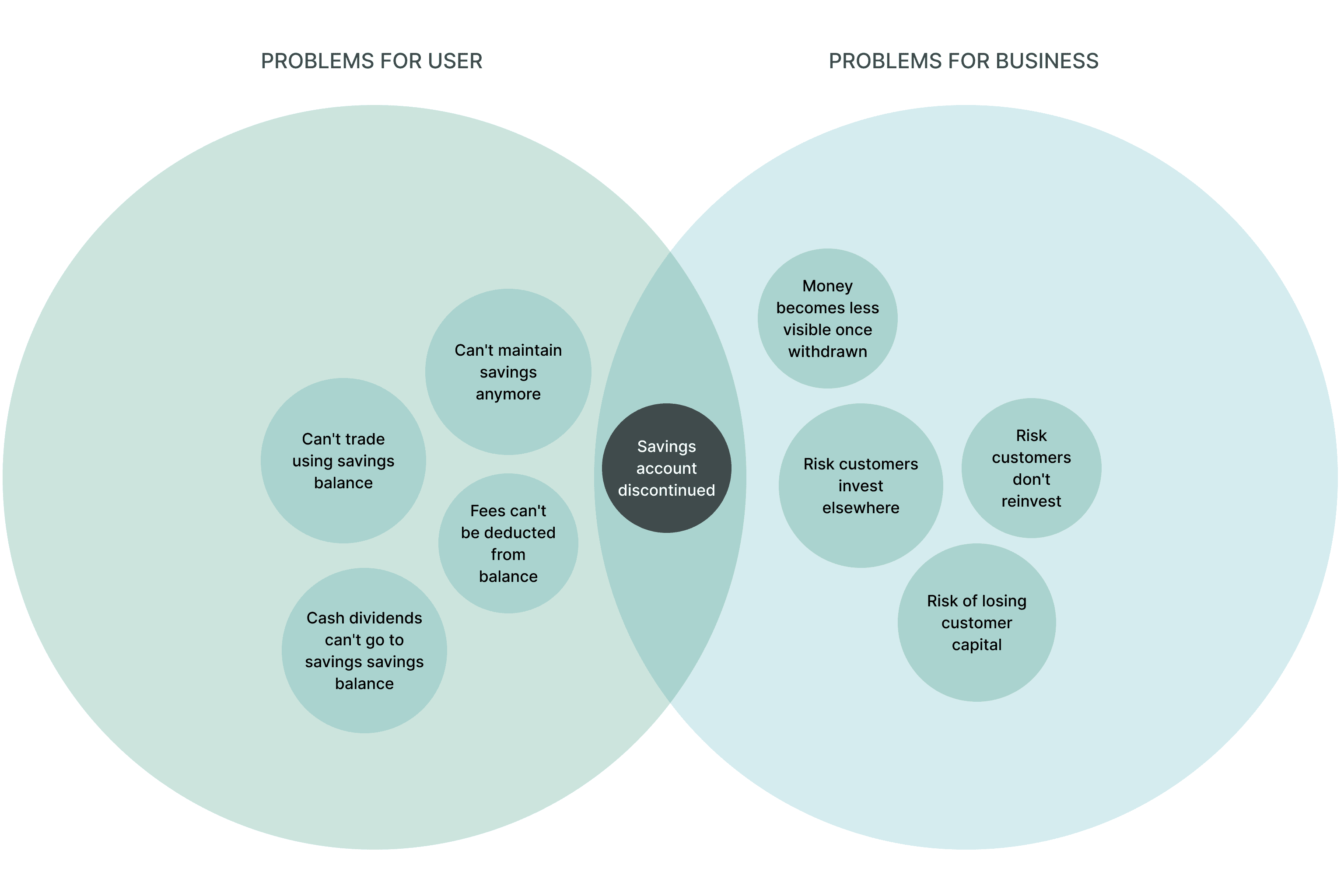
There was one problem that would hurt the business most
When customers sell investments during market downturns, they're stressed. Money goes directly to their bank account; out of sight, out of mind. The risk? They never reinvest, or they invest elsewhere.
Hypothesis
'If we make it easy for people to reinvest their money directly after they sell funds, they are less likely to transfer it to their bank account.'
Selling during a downturn is emotional, not rational. We mapped the customer's mental state at each step to find the moment they'd be receptive, not pressured.

STRESS
"My fund is leaking money fast"
Anxiety peaks. Customers fixate on stopping the loss. Can't process alternatives.
SELL
"I have to sell fast"
Still in execution mode. Any new choice creates cognitive overload.
Relief
"Glad I didn't lose more"
Task complete, stress drops. Brief window where they're open to "what's next?"
REGRET
"If I waited I wouldn't have lost that much"
Hindsight bias sets in. But money's in their bank, iDEAL limits block return.
Prototype
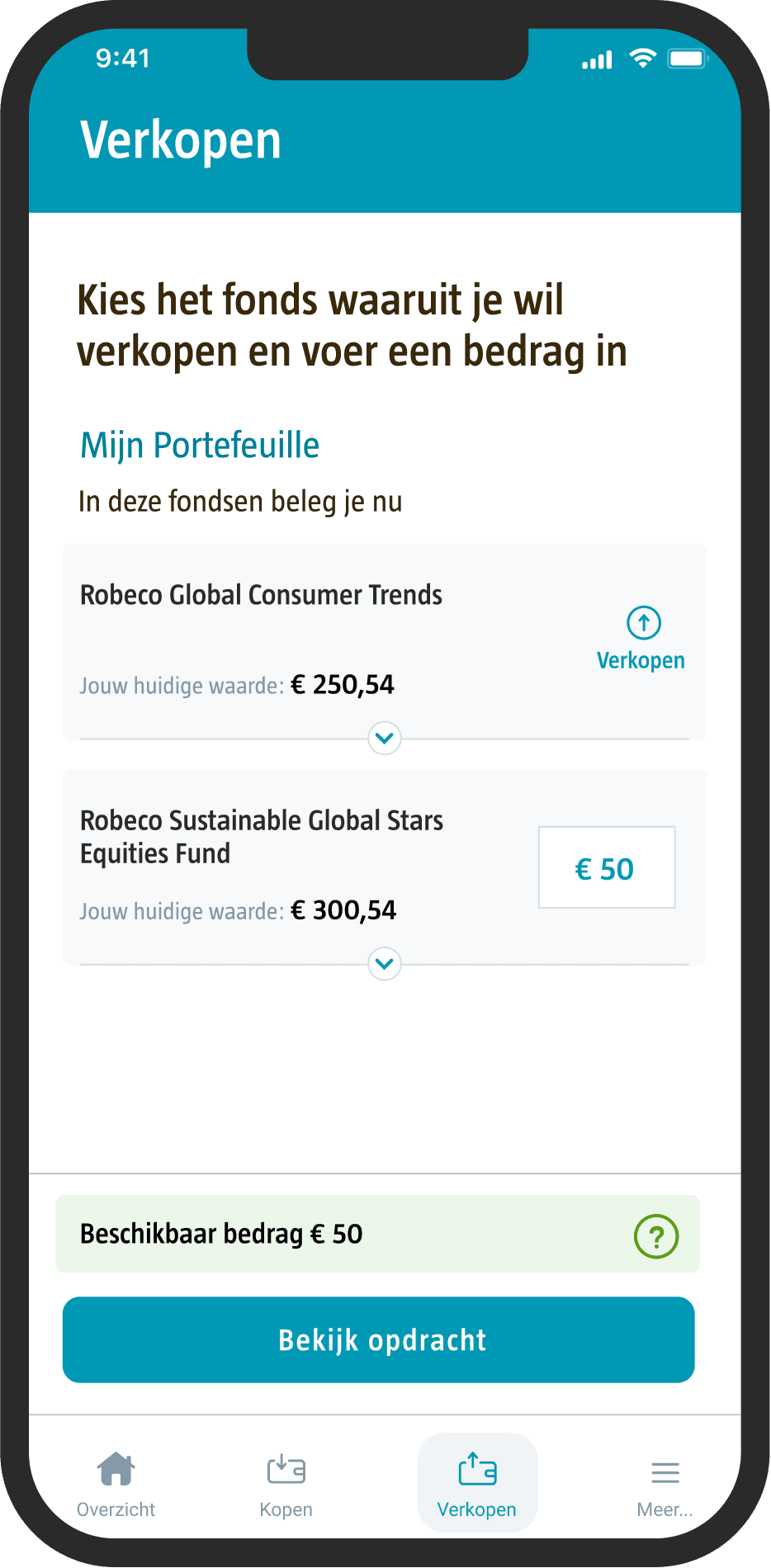
We tested introducing the reinvestment option early during the sale itself. The idea: customers learn about the Available Balance while they're selling, making reinvestment feel natural. We tested this approach with 7 customers to validate
/ Introduced "Available Balance" during the sale process
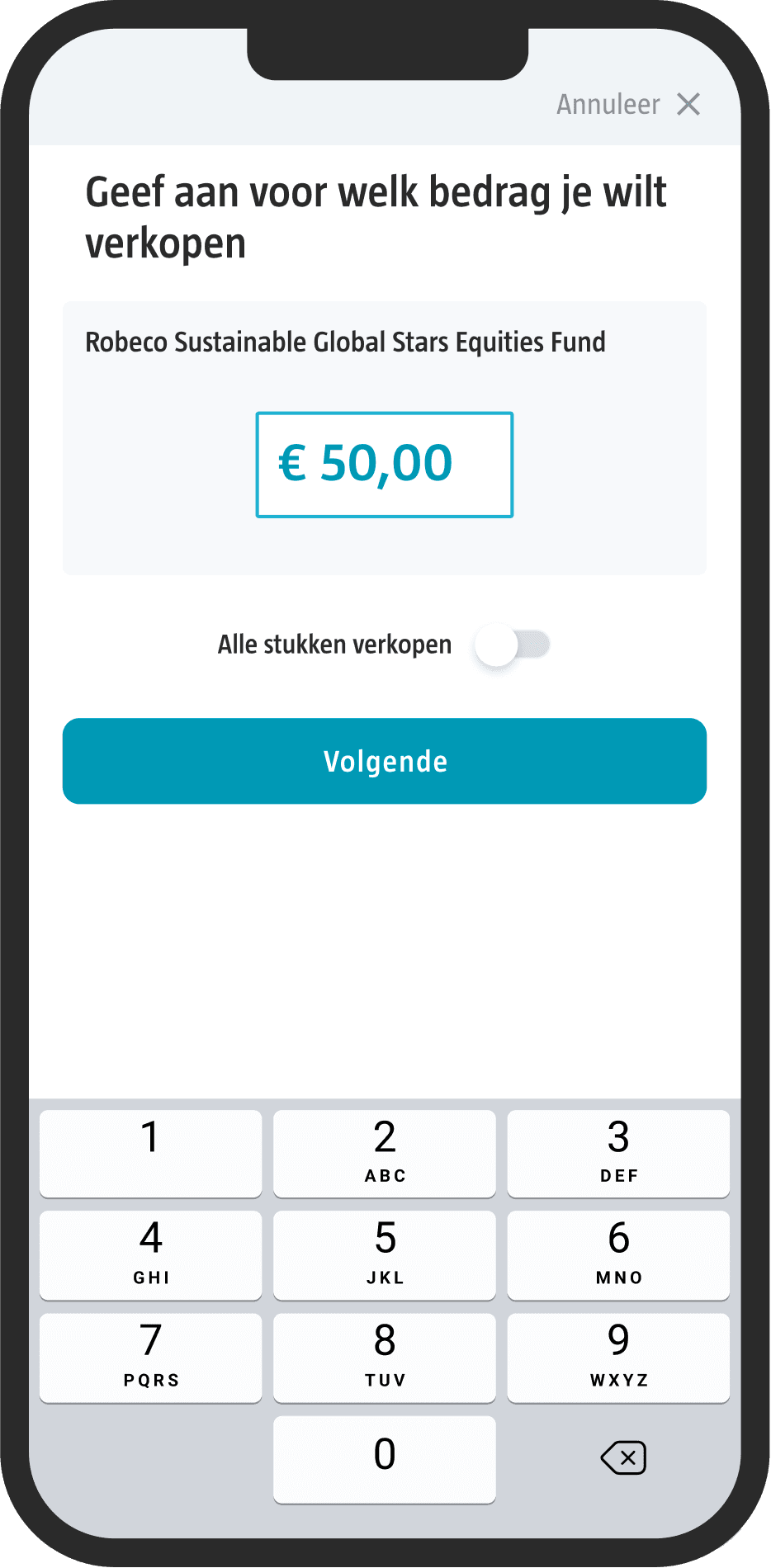
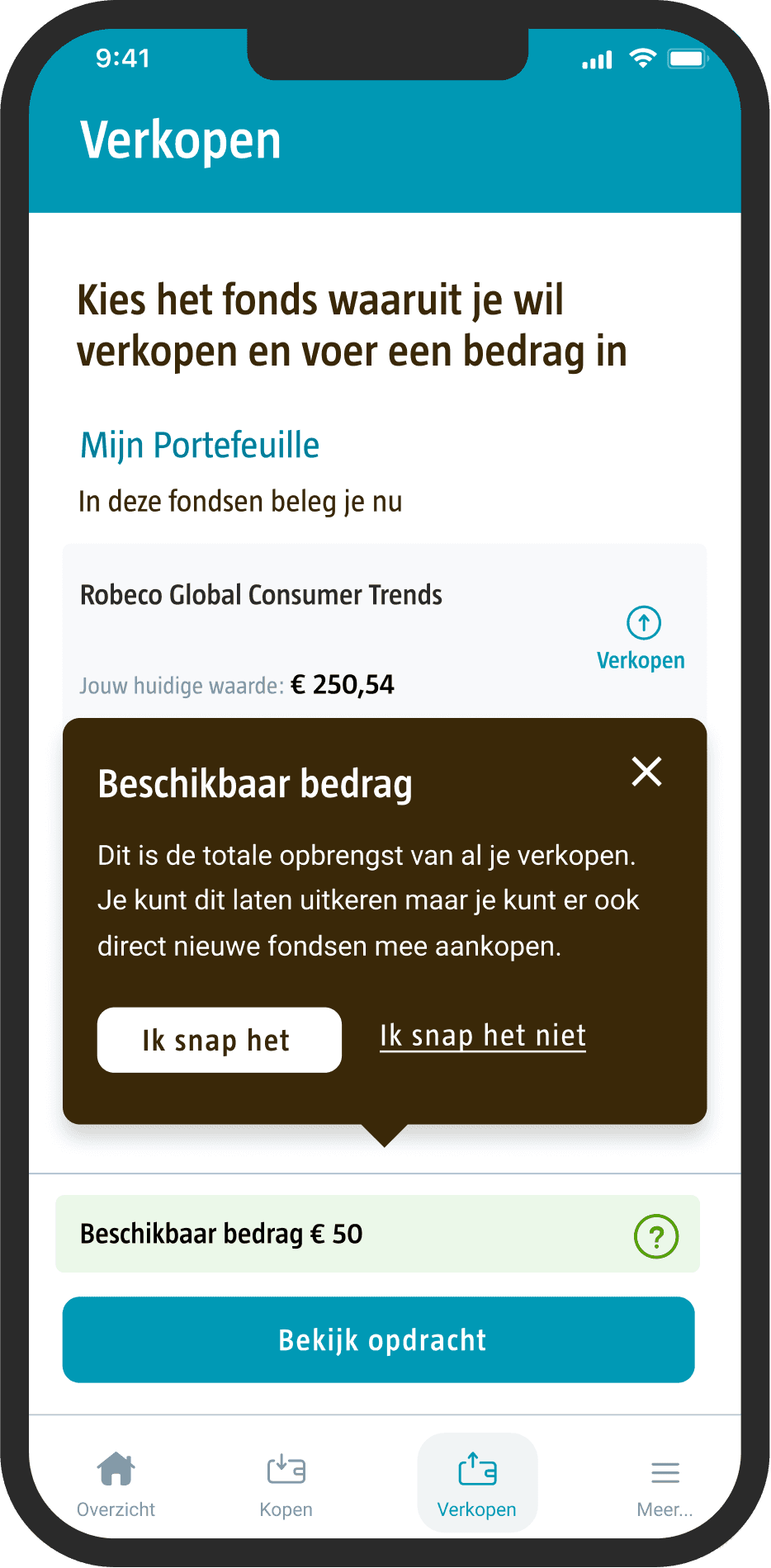
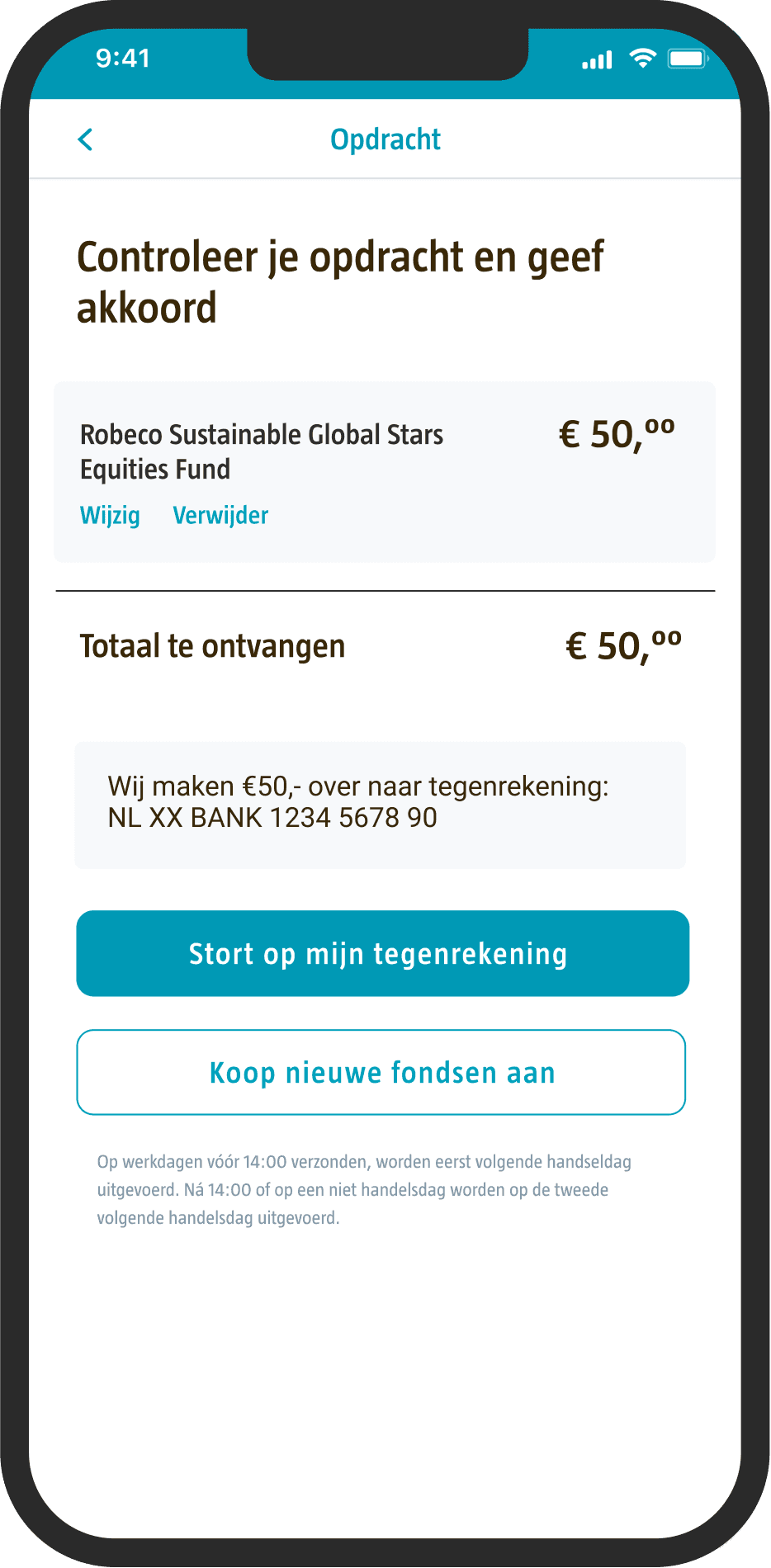
/ Reinvest directly from Available Balance at checkout
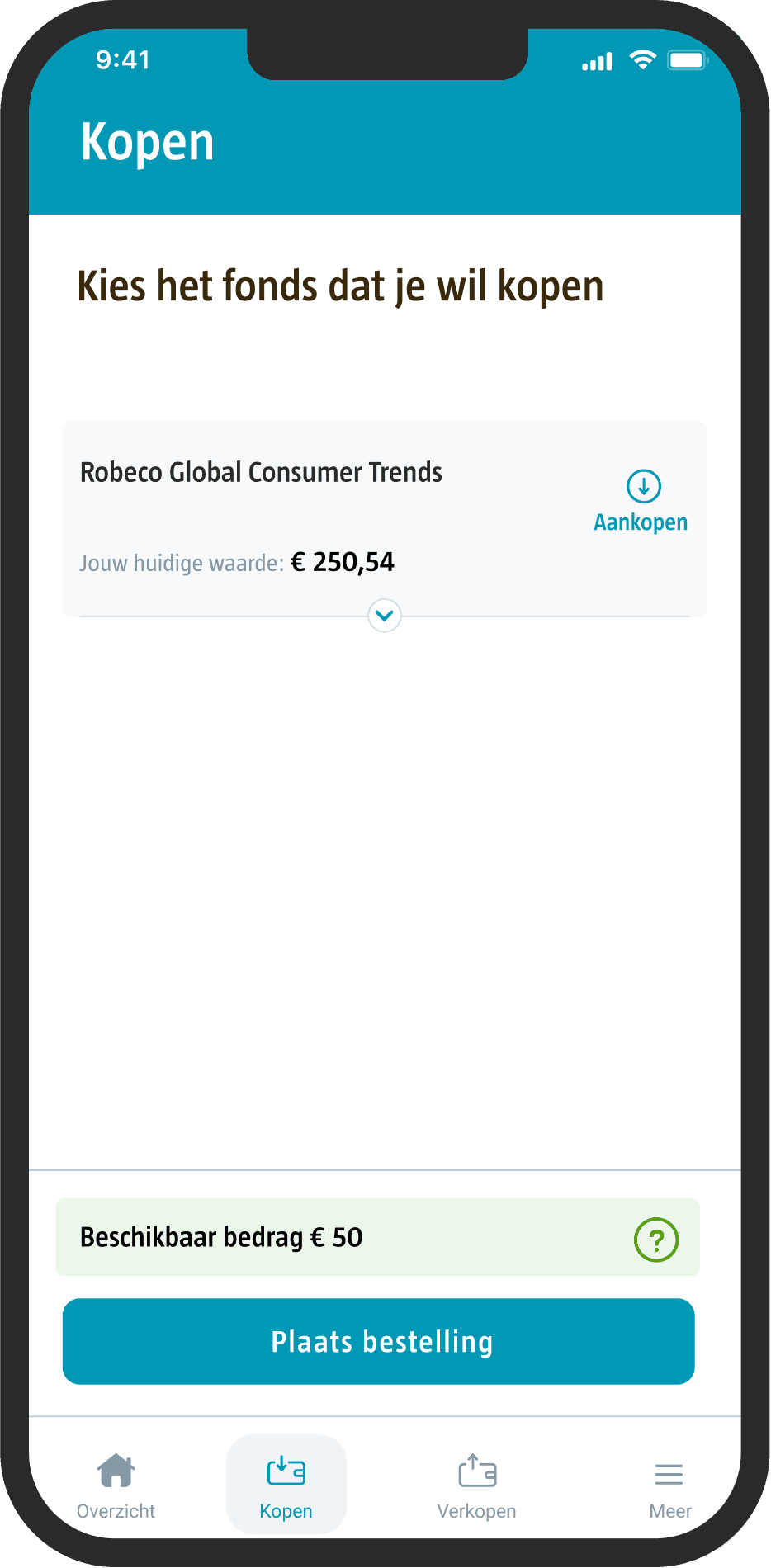
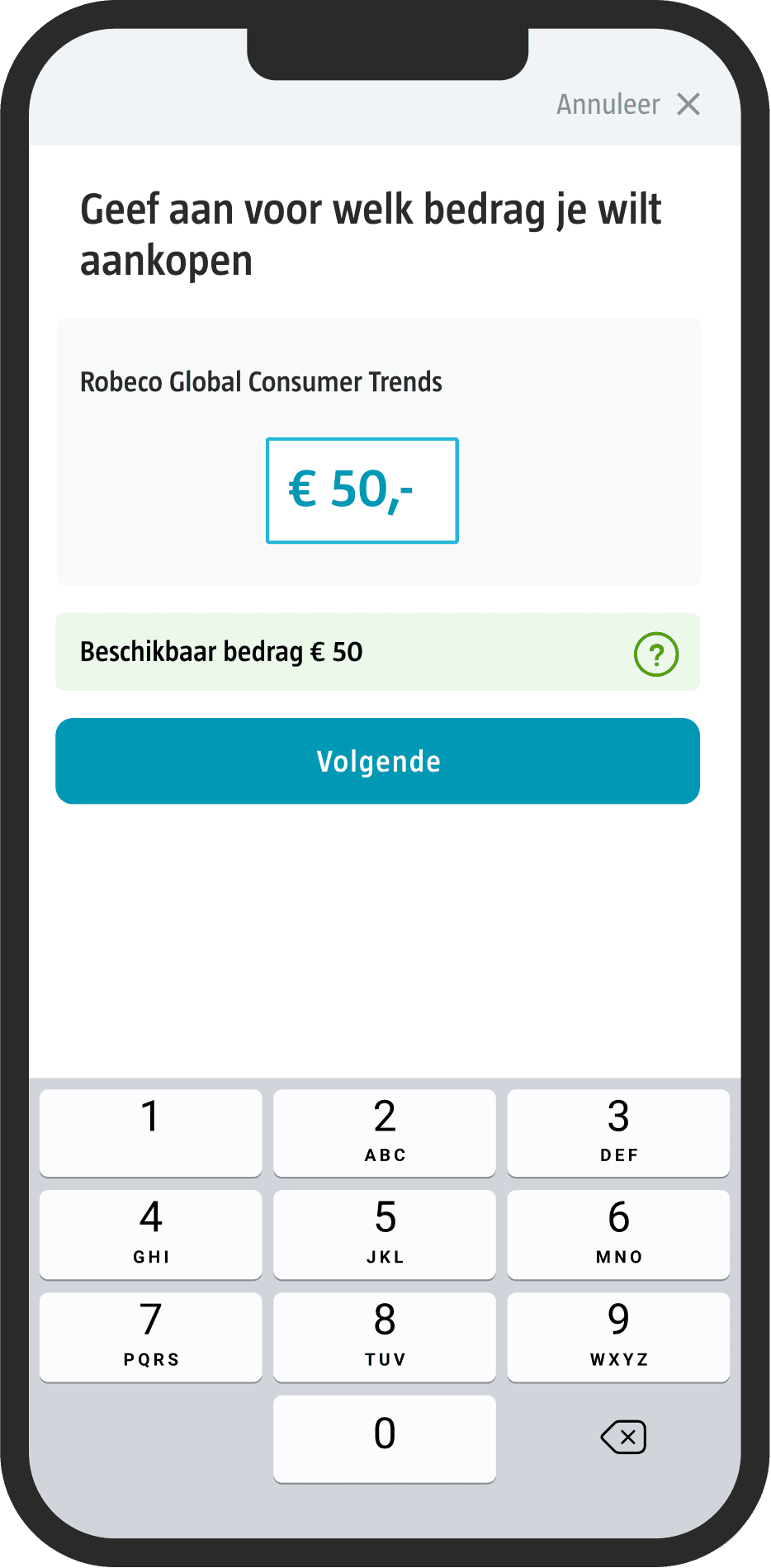
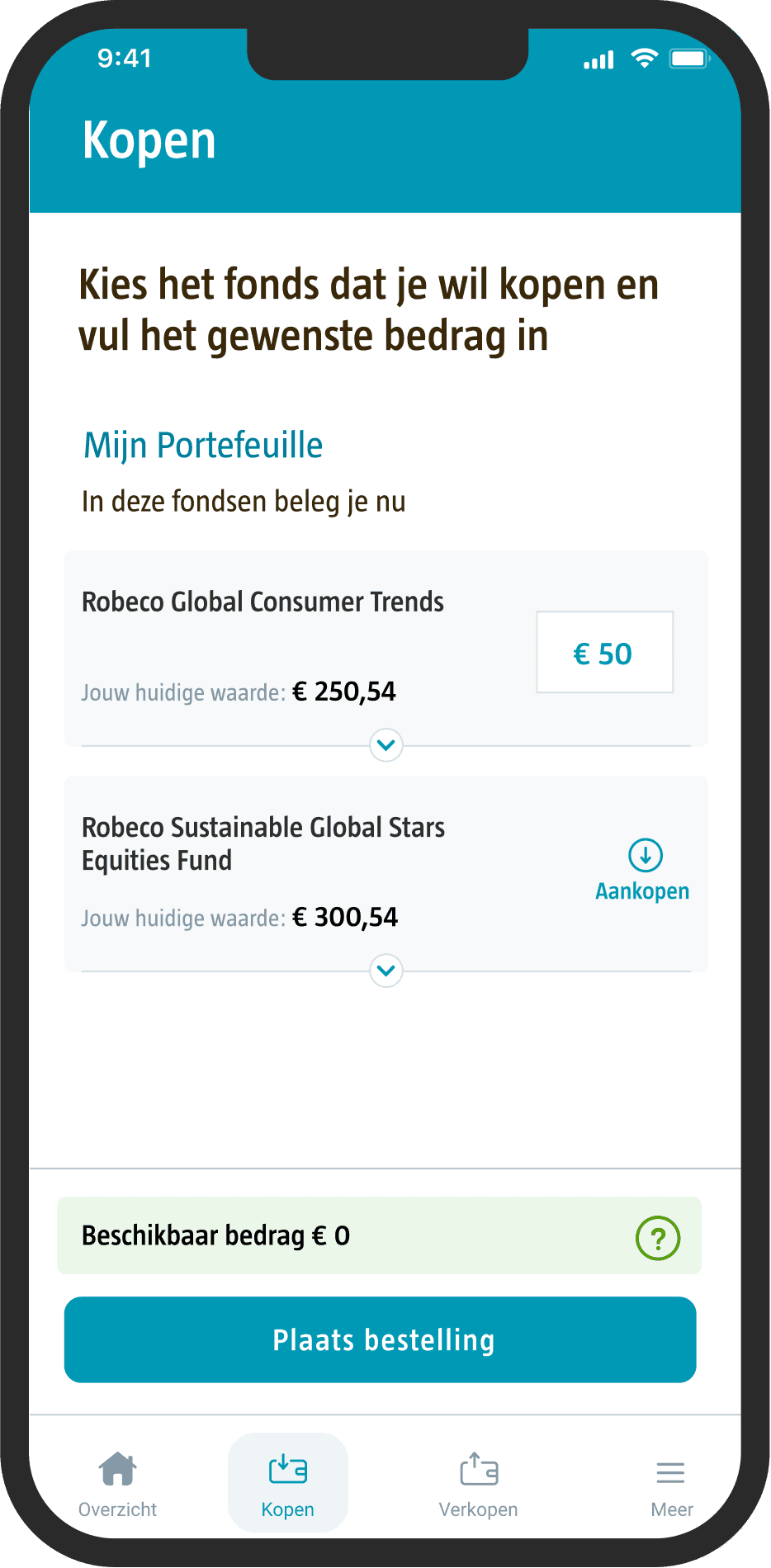
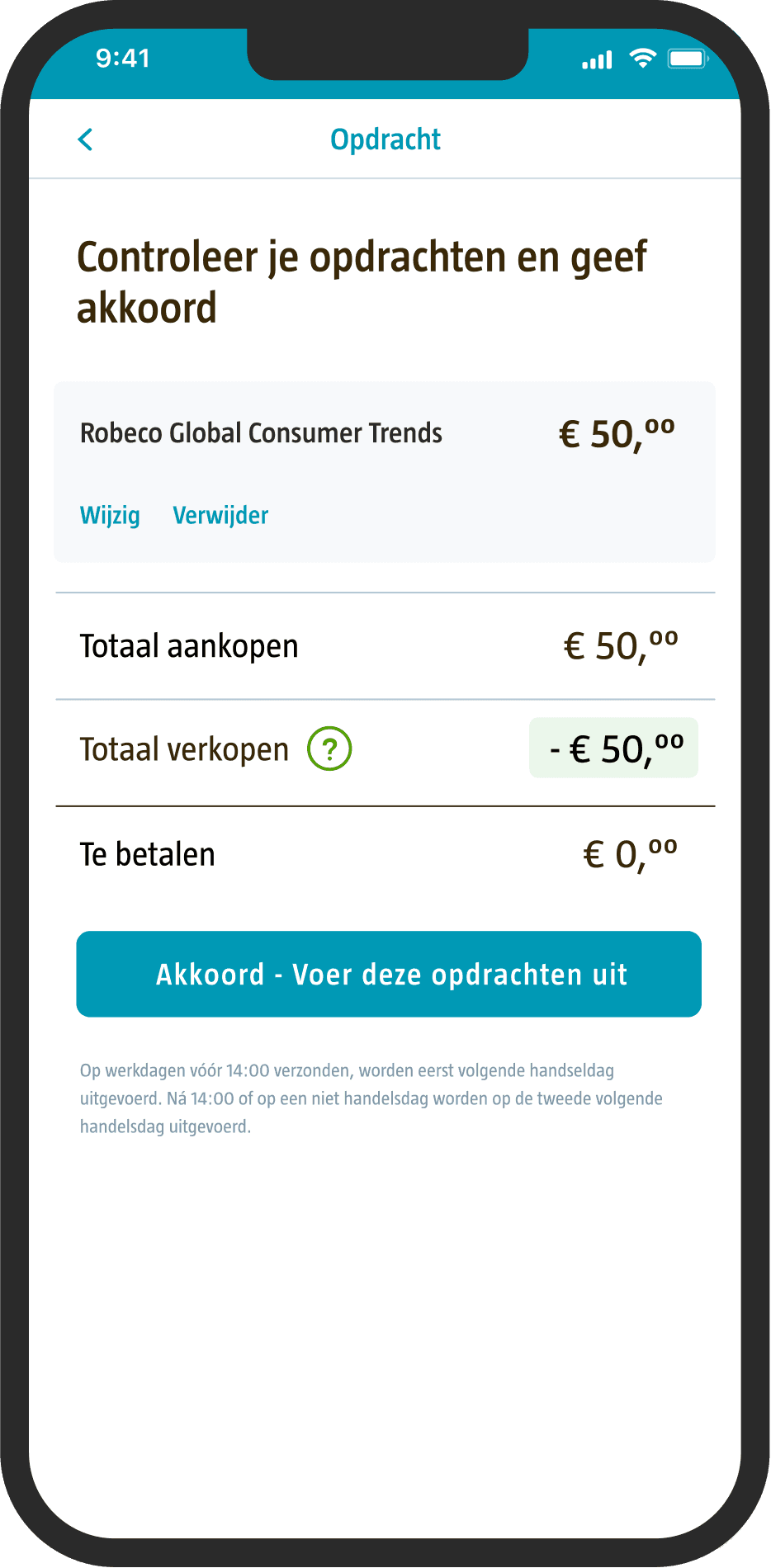
When selling, most people don't think of buying. Therefore all nudges in the sell flow create confusion
Moving forward
We decided not to include any prompts in the selling proces but have the user finish the sale first and then have them decide if they want to cash their money or invest it in right away.
When deciding to sell, people tend to prioritise short-term stress relief over long-term profit
Moving forward
We decided to inform people about the disadvantages of selling when stock prices are low. Since we saw little opportunity to influence customers on the client dashboard, we chose to address this through our marketing channels.
A two-step flow that respects mental models
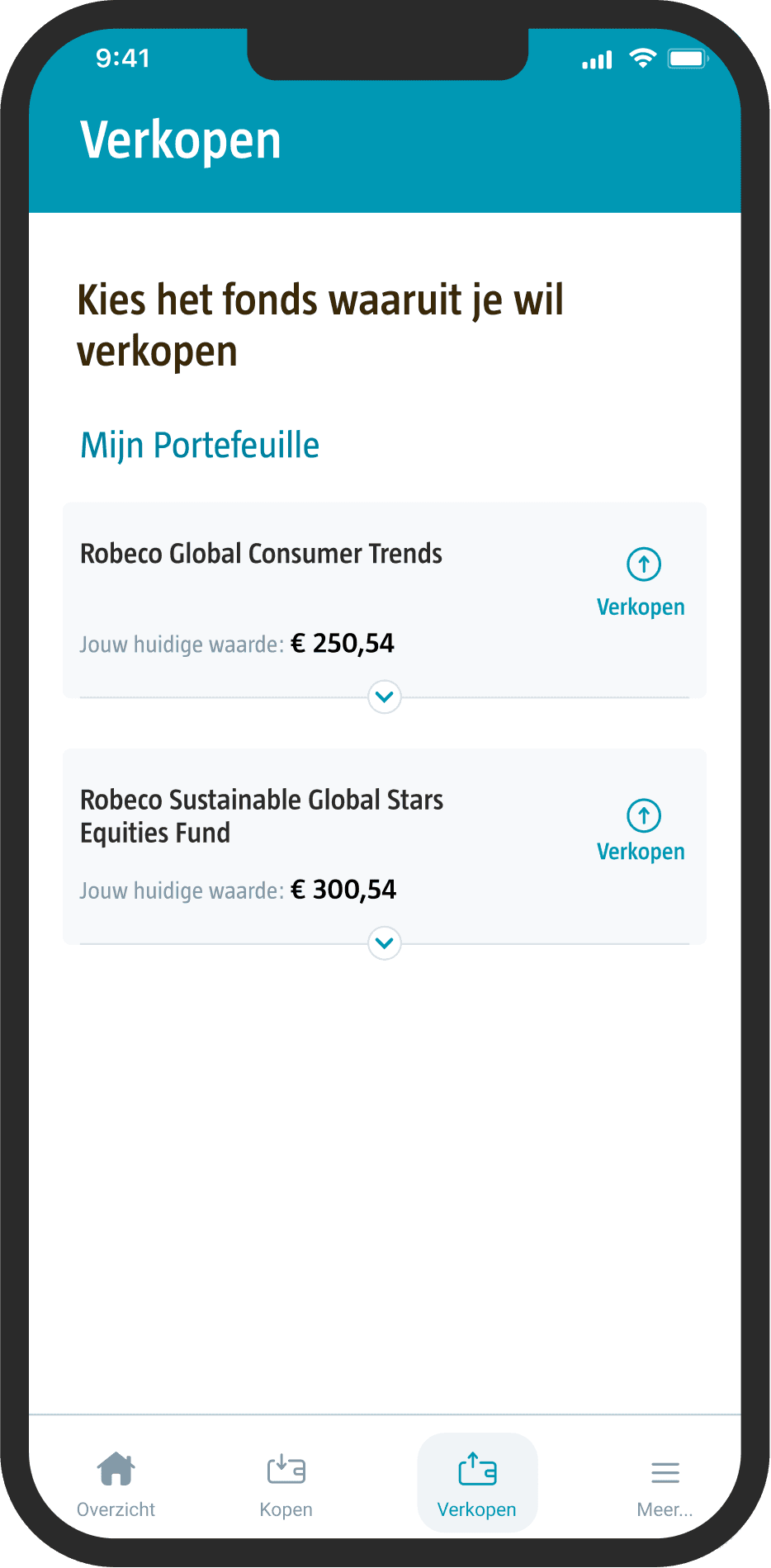
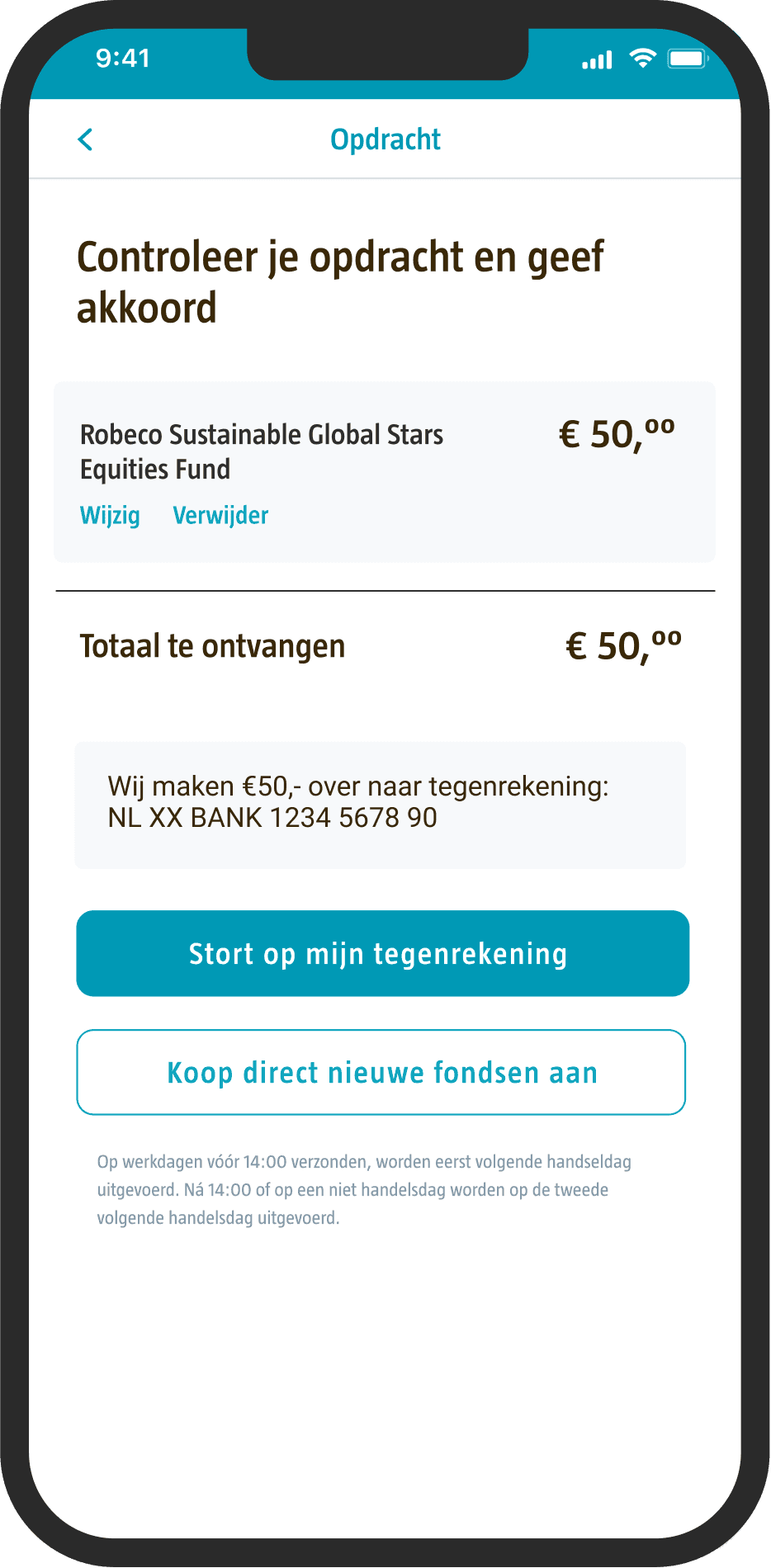
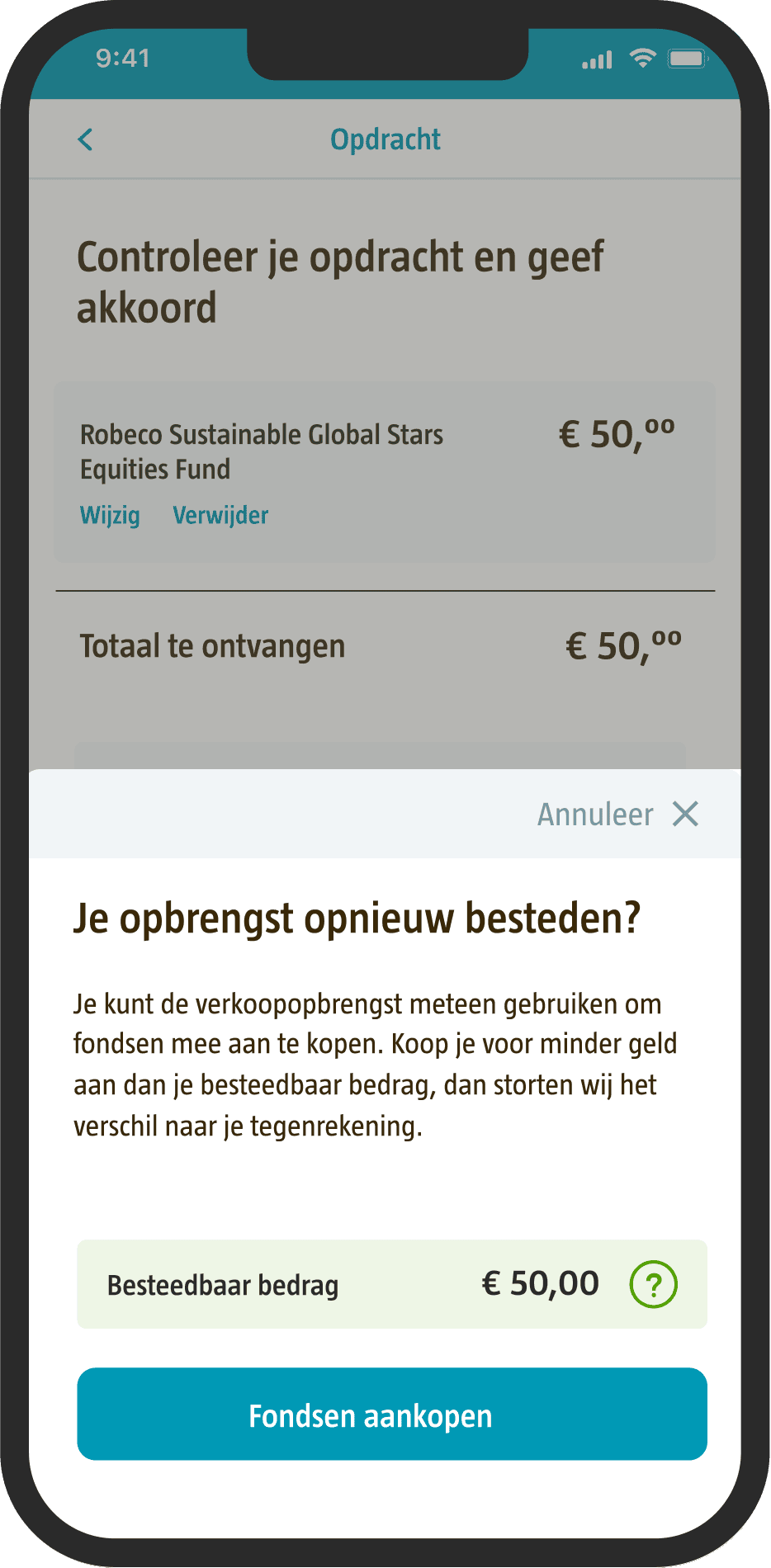
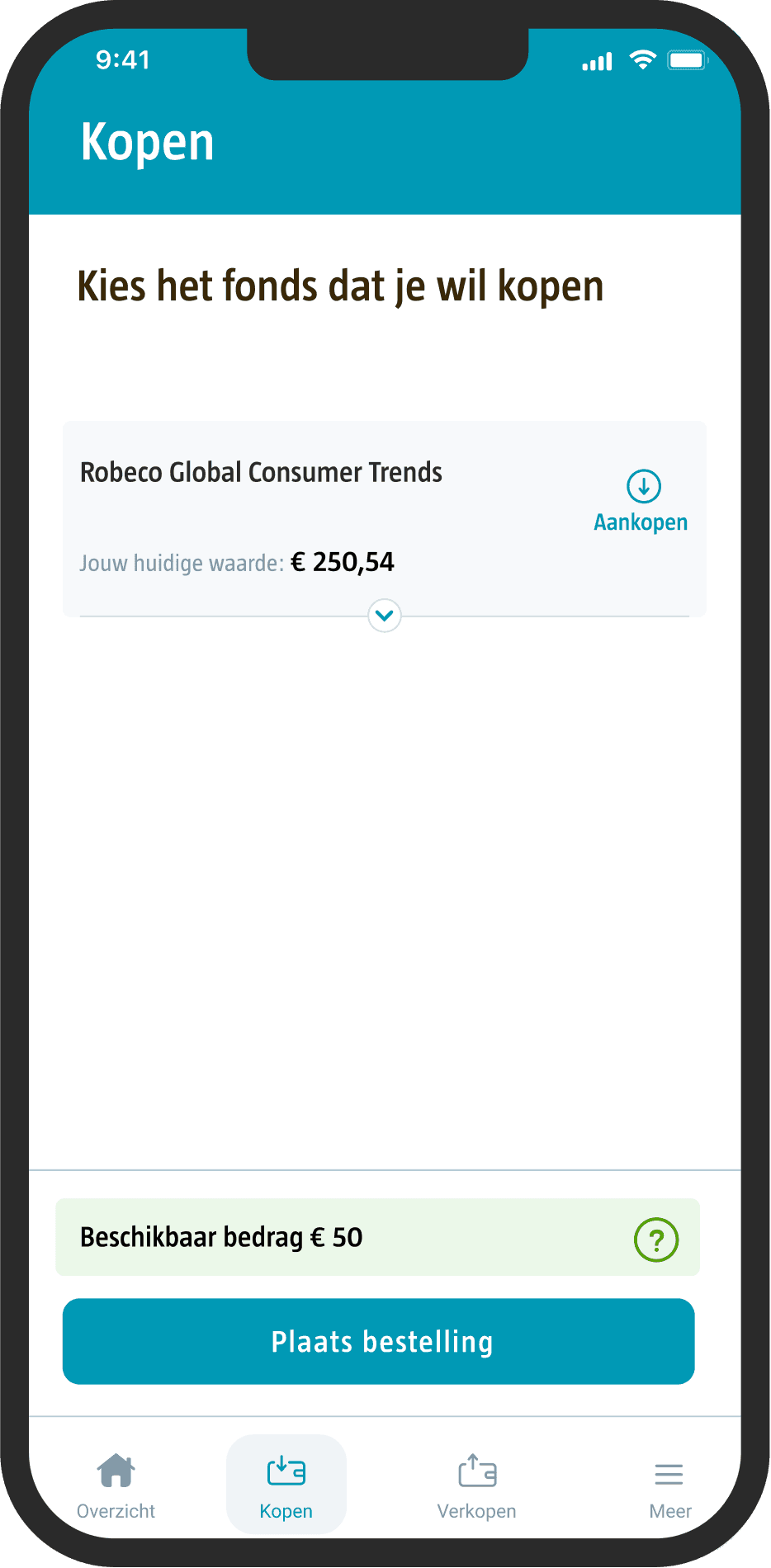
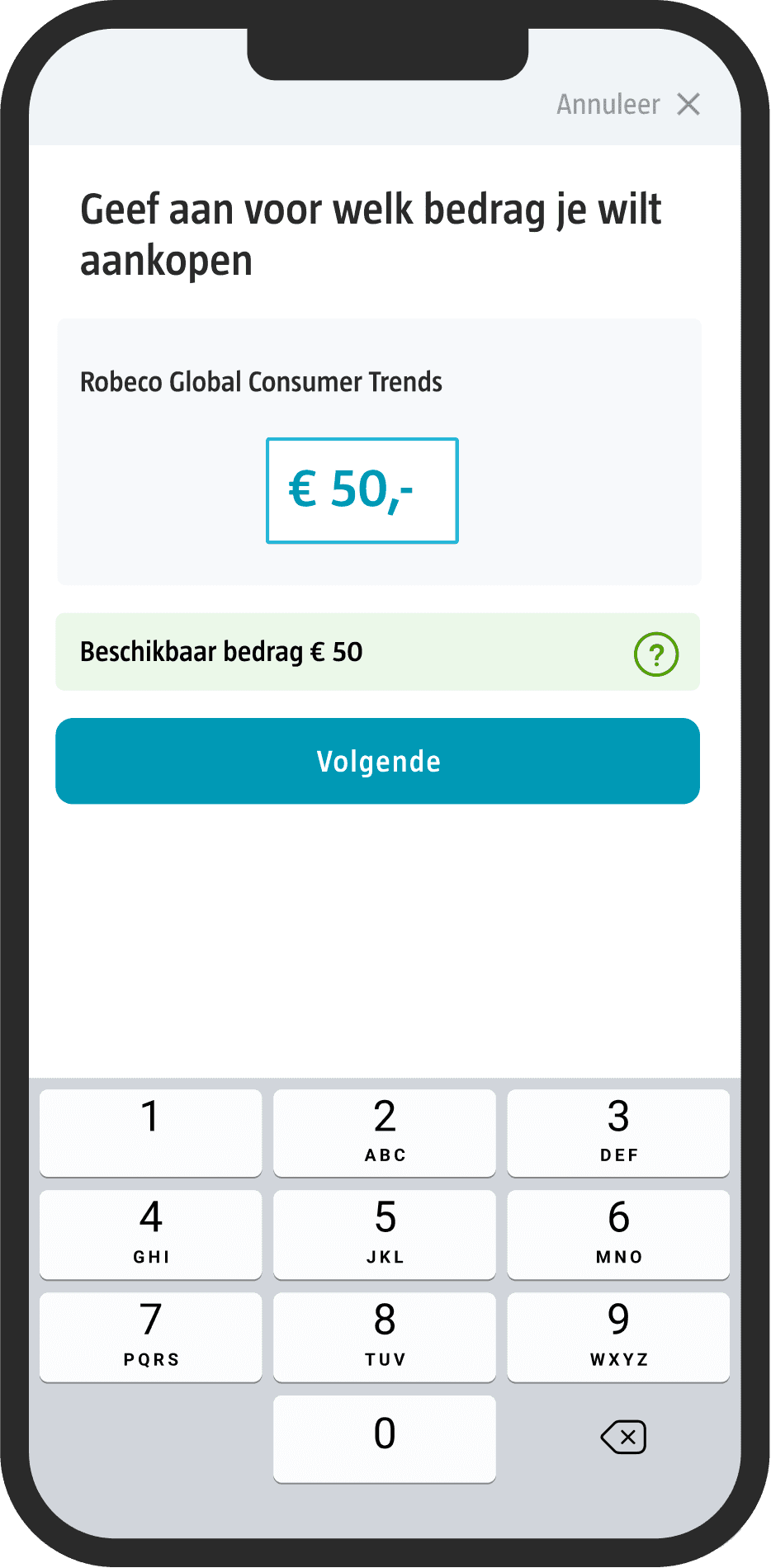
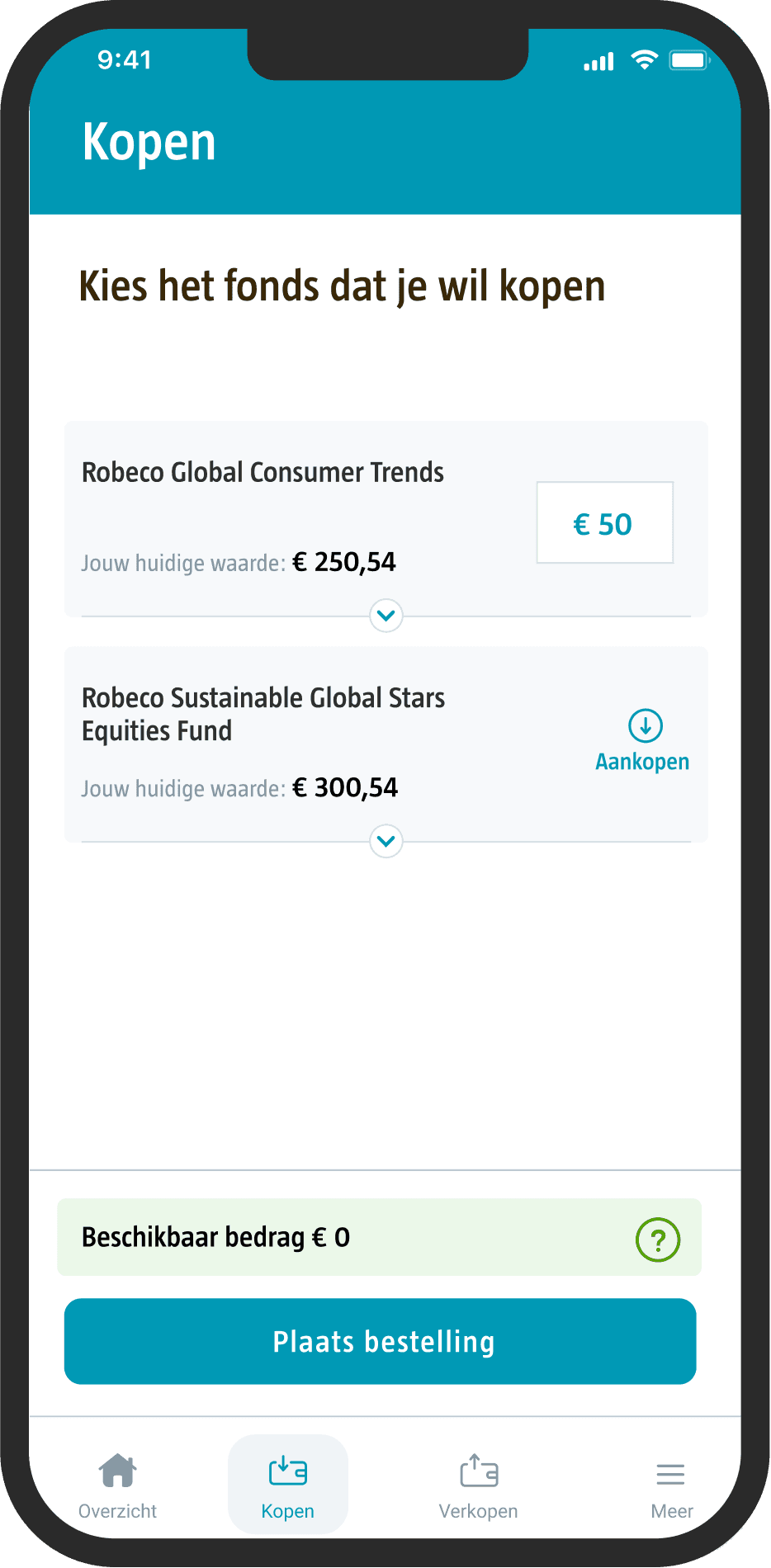
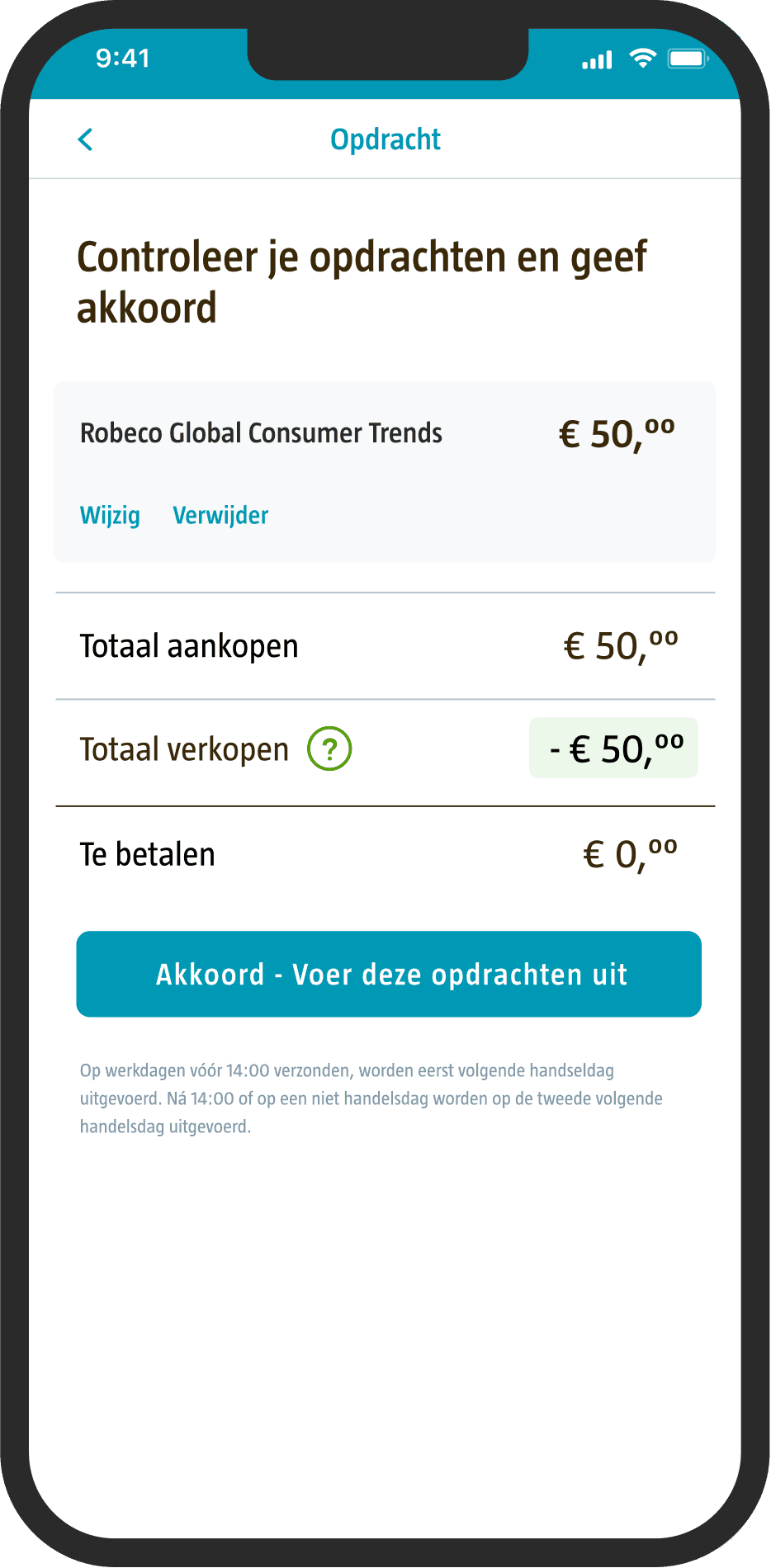
Instead of interrupting the selling process, we designed a two-step flow that lets customers finish their sale, then makes it easy to reinvest immediately.
Step 1
/ Wait until the sale is finished before offering next steps
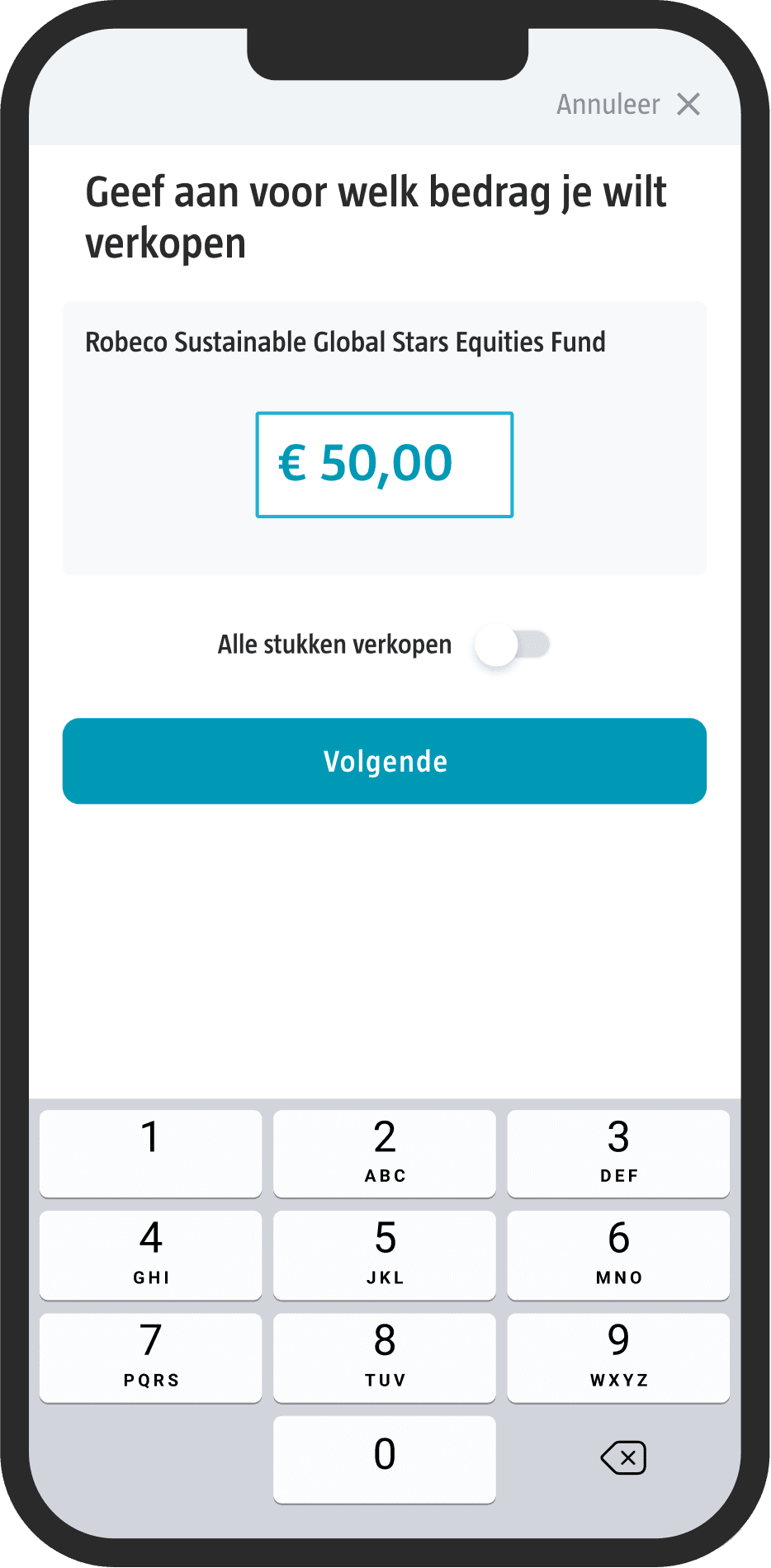
Step 2
/ Reinvest directly from Available Balance at checkout
The UX worked, but the business problem remained
The design succeeded on usability: customers who wanted to reinvest could do so easily. But the core business goal "keeping capital on the platform" wasn't achieved. The real barrier? Once money reached customers' bank accounts, most couldn't transfer it back due to daily iDEAL limits set by their banks.
What we learned
Good UX can't solve systemic infrastructure problems. The friction wasn't in our interface, it was in the banking system itself.
Bob Keizer - Product owner
Jens Steenhuis - CX manager
Hans Maessen - VP of Marketing
Demmy Onink - Product Designer
Yuri De Snaijer - Front End Developer
In this project, my role involved overseeing the transition strategy after Robeco discontinued its savings feature. I focused on understanding customer impacts, developing alternative solutions, testing assumptions through customer feedback, and refining the user experience to adapt to the new situation.